OIAF at 50: More than two dozen of its Canadian favourites come from the NFB
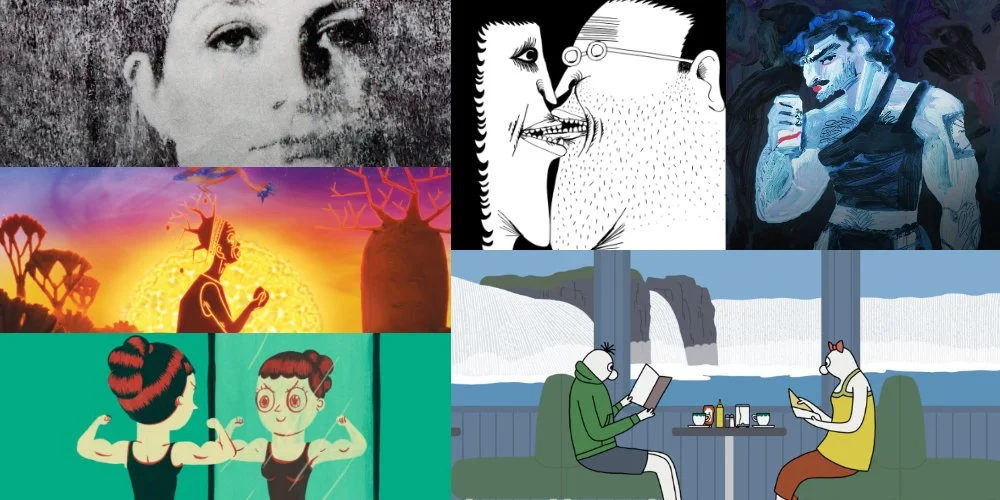
The National Film Board is marking the Ottawa International Animation Festival’s 50th anniversary with new films and more than two dozen NFB works included in OIAF’s 50-film Canadian retrospective.
Photo credit: National Film Board of Canada
When programmers at the Ottawa International Animation Festival began looking through the Canadian films screened during the festival's first 50 years, they had more than 700 to consider and eventually chose 50.
The resulting anniversary retrospective reaches from Caroline Leaf's The Street and Jacques Drouin's Mindscape, both released in 1976, through Richard Condie's The Big Snit, Cordell Barker's The Cat Came Back and Chris Landreth's Ryan to work by Amanda Strong, Terril Calder, Anne Koizumi and Alexandra Myotte and Jean-Sébastien Hamel.
According to the National Film Board, more than two dozen of the selections are its productions.
OIAF isn't calling the list a definitive ranking of Canadian animation. Its programming team describes the films as the ones that stayed with them after decades of screenings: favourites they wanted to see again, along with some forgotten films and characteristically odd choices. The six retrospective programs run through Sept. 27 as part of OIAF's 50th anniversary festival.
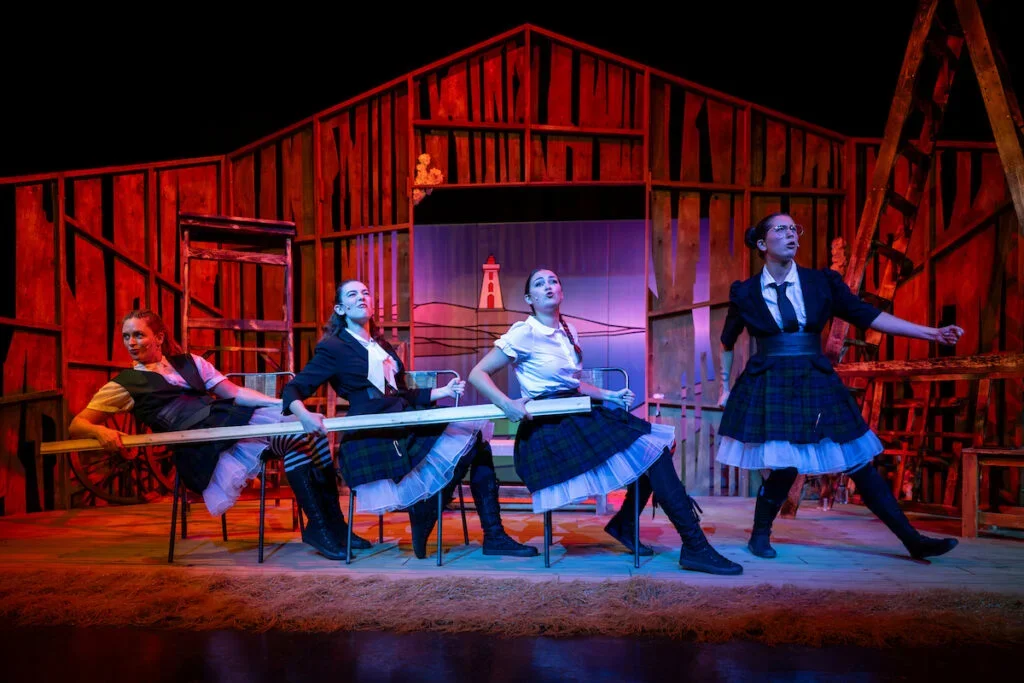
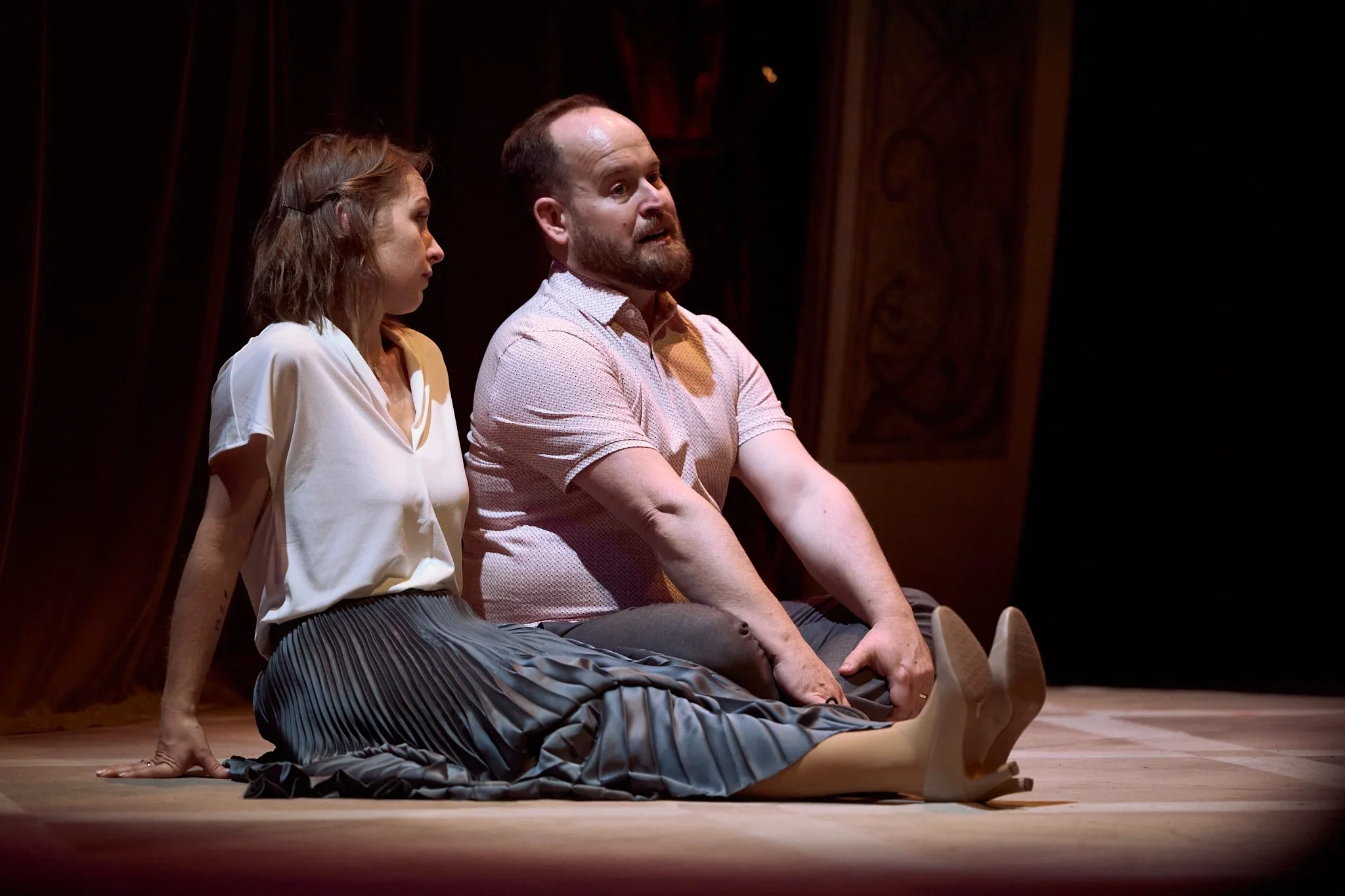
On Sept. 26, some of the people behind those films are gathering at the National Arts Centre for an anniversary event called 50 Films. 50 Years. Too Many Animators on One Stage. NFB filmmakers Cordell Barker, Terril Calder and Janet Perlman are among the participants.
The connection between the festival, Ottawa and the NFB predates OIAF.
Norman McLaren joined the NFB in 1941 at the invitation of Canada's first government film commissioner, John Grierson. As wartime animation production increased, McLaren recruited artists including René Jodoin, George Dunning, Grant Munro and Evelyn Lambart. A team was working at the NFB by 1942, and its animation studio became a standalone unit in 1943.
Ottawa was already home to that animation tradition when the Canadian Film Institute founded OIAF in 1975. The first festival followed in 1976, becoming what OIAF describes as the first major animation festival in North America. McLaren was among the established animators who attended its early editions.
That history is being examined separately during this year's anniversary through Frame by Frame: Animation in Ottawa, an Ottawa Art Gallery exhibition produced in partnership with OIAF and in collaboration with the NFB. Running through March 14, 2027, the exhibition starts with the establishment of the NFB animation department in Ottawa in the 1940s and follows more than 80 years of animation in the city.
The NFB contributed films, photographs, artwork and archival material from its early Ottawa studio. OIAF also screened veteran NFB filmmaker Don McWilliams's The National Film Board and Ottawa Animation, 1939–1956 on Sept. 23.
OIAF's 50-film selection picks up that history in the festival's own inaugural year.
Leaf's The Street, adapted from a Mordecai Richler story, follows a Jewish family in Montreal caring for an ailing grandmother while a young boy anticipates inheriting her room. It appears in the first retrospective program alongside Ishu Patel's Afterlife, Barker's The Cat Came Back and Strong's Biidaaban (The Dawn Comes).
John Weldon's Log Driver's Waltz, Matthew Rankin's Mynarski Death Plummet and Calder's Meneath: The Hidden Island of Ethics appear together in another program, while a later screening brings Frédéric Back's Crac!, Janet Perlman's My Favourite Things That I Love, Myotte and Hamel's A Crab in the Pool, Landreth's Ryan and Condie's 1985 film The Big Snit into the same program.
Films produced through the NFB sit throughout the retrospective beside work made outside the public producer, with filmmakers closely associated with the institution sharing programs with artists working across different periods and approaches.
Some of those NFB films also collected major international awards. Landreth's Ryan and Alison Snowden and David Fine's Bob's Birthday won Academy Awards for animated short, while Barker's The Cat Came Back was nominated.
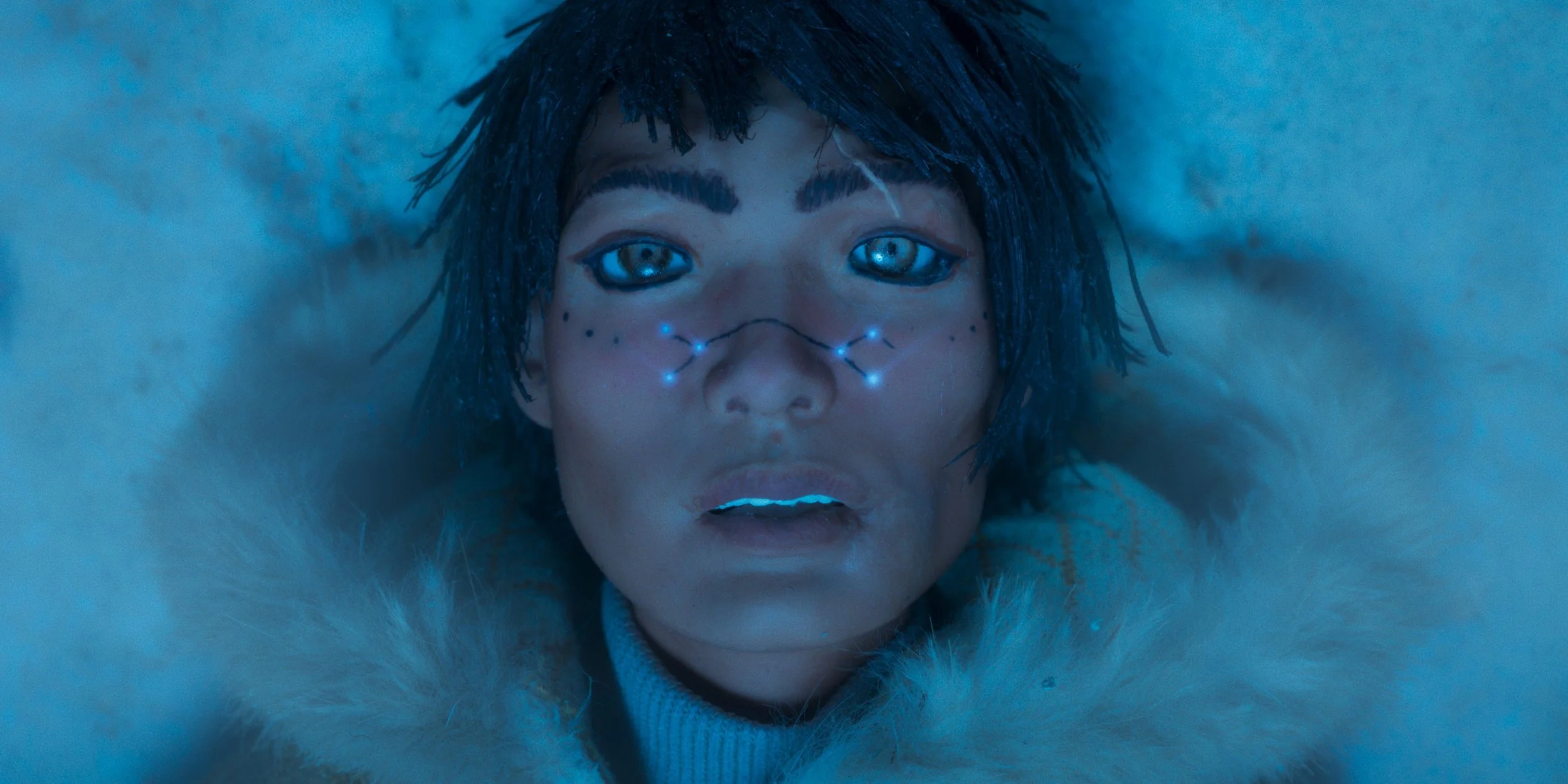
Strong's 2018 stop-motion film Biidaaban (The Dawn Comes) follows a young Anishinaabe non-binary person harvesting maple sap in urban Ontario neighbourhoods. Calder's 2021 stop-motion film Meneath: The Hidden Island of Ethics centres a Métis baby girl caught between the Seven Deadly Sins and the Seven Sacred Teachings.
The selection also includes Koizumi's autobiographical In the Shadow of the Pines, inspired by her relationship with her immigrant father, as well as Helen Hill's Mouseholes, Winston Hacking's collage animation Erodium Thunk and Rankin and Mike Maryniuk's Cattle Call.
The NFB also has new work at this year's festival. Five of its shorts were selected for Canadian Panorama: Bahij Jaroudi's Bisou sauvage, Dylan Glynn's Knowing Gaze, Elizabeth Laferrière's Matrescence, Bogdan Anifrani-Fedach and Ian Keteku's To Our Future Ancestors and Catherine Lepage's Ultra Strong.
Diane Obomsawin's new NFB short I Don't Love You Anymore had its world premiere in official competition on Sept. 23 and screens again Sept. 26. Obomsawin has her own history with OIAF: her earlier NFB film I Like Girls won the festival's Nelvana Grand Prize for Independent Short Animation in 2016.
OIAF began in a city where the NFB had already spent decades producing animation, and the institution remains heavily represented when the festival's programmers look back at the Canadian work they have screened since 1976. The other selections extend that history through films produced elsewhere and by subsequent generations of Canadian animators.
Fifty years after The Street appeared in the same year as the first Ottawa International Animation Festival, Leaf is represented twice in OIAF's anniversary selection. Her 1991 film Two Sisters appears in the retrospective's final program alongside work by Richard Reeves, Claude Cloutier, Les Drew, Drouin, Marv Newland, Theodore Ushev and Philip Eddolls.
That final program screens Sept. 27 and includes another film from OIAF's inaugural year: Drouin's 1976 pinscreen animation Mindscape.