On this day in 1976: Joyce Wieland’s The Far Shore was released
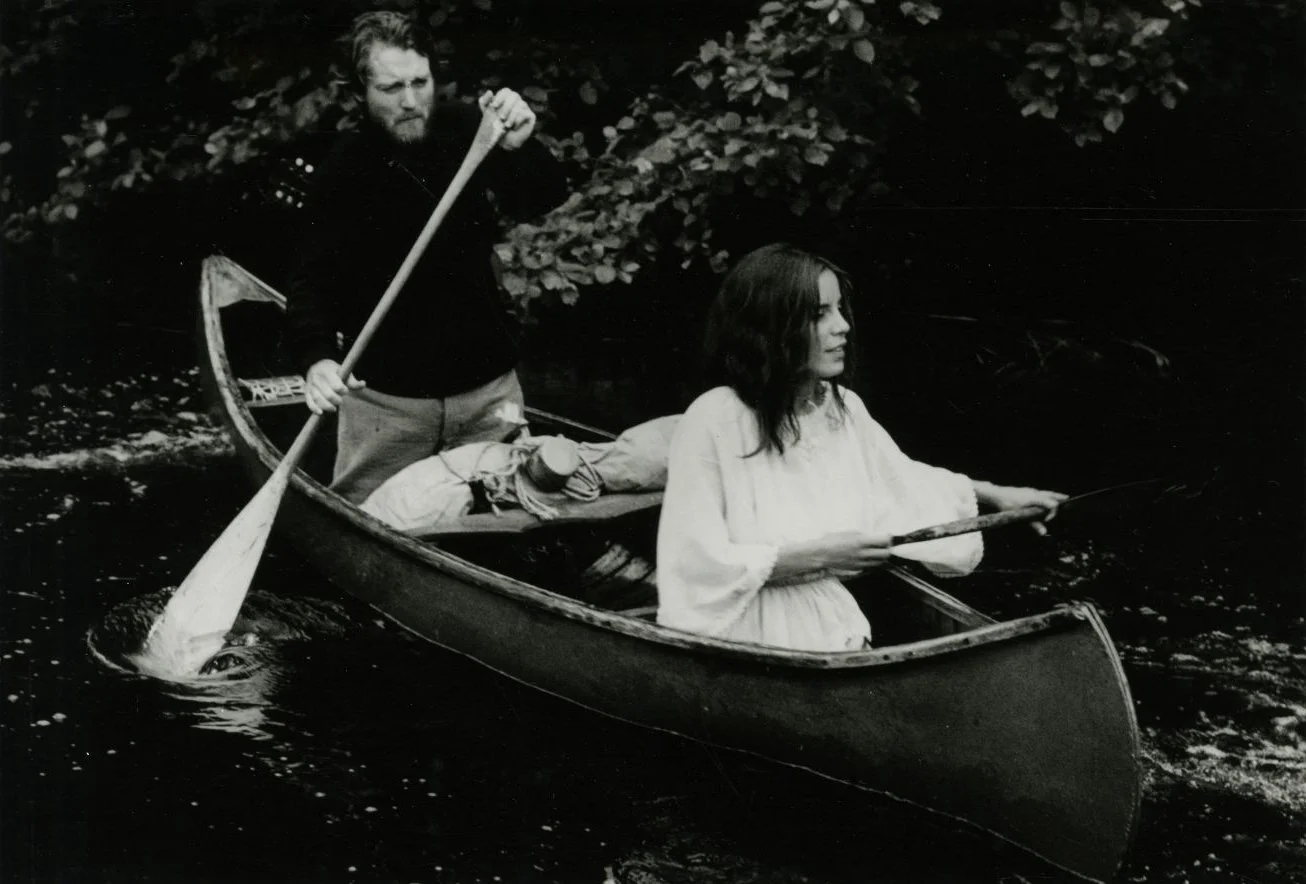
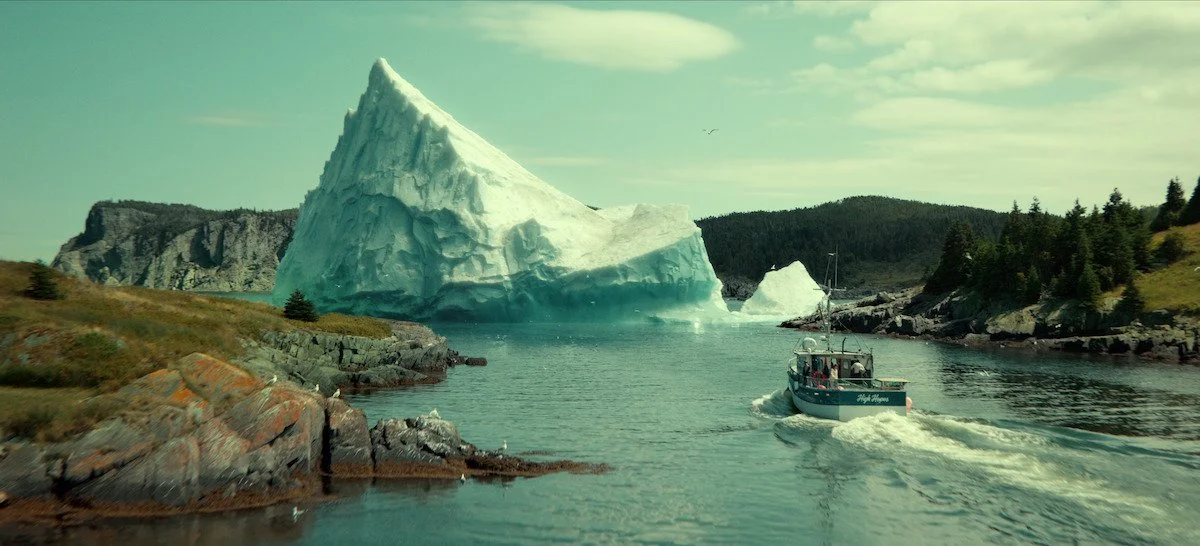
An image from Joyce Wieland’s The Far Shore, released in Canada on Sept. 24, 1976.
Photo credit: Cinémathèque québécoise.
Library and Archives Canada records Sept. 24, 1976 as the release date for Joyce Wieland's The Far Shore, a 105-minute Canadian feature that took a filmmaker known for experimental cinema into period melodrama.
Wieland directed and co-produced the film with Judy Steed through Far Shore Inc., with Pierre Lamy as executive producer. Bryan Barney developed the screenplay from Wieland's original script, Richard Leiterman was cinematographer, George Appleby and Brian French edited, and Douglas Pringle composed the music. Céline Lomez, Frank Moore, Lawrence Benedict, Sean McCann, Charlotte Blunt and Susan Petrie were among the principal cast, and Astral handled Canadian distribution.
Wieland had already spent years moving between film and visual art. Born in Toronto in 1930, she worked at Graphic Films early in her career and moved to New York in 1962, where experimental filmmaking became a substantial part of her practice. She returned to Canada around the beginning of the 1970s, and in 1971 the National Gallery of Canada presented True Patriot Love/Véritable amour patriotique, the gallery's first exhibition by a living woman artist.
The Far Shore was already beginning to appear inside that earlier work. Wieland's True Patriot Love bookwork included fragments of a film script about Tom Thomson, alongside photographs, maps, writing and reproductions of Thomson's The West Wind. The feature that eventually emerged from those fragments allowed her to put people into a landscape she had been filming and thinking about for years.
Wieland made that connection herself in an interview recorded in Toronto in August 1975 and revised by her before publication in Cinema Canada. She said her first aim was to reach a Canadian audience and described The Far Shore in relation to her earlier experimental film Reason Over Passion: “The Far Shore is the same landscape, only peopled. It's my evolution to people.”
Set in 1919, the film follows Eulalie, played by Lomez, a Quebec pianist who marries Ontario engineer Ross Turner, played by Benedict, and moves to Toronto. Ross's attention is increasingly absorbed by business and development, while Eulalie turns to her music and grows close to Tom McLeod, a painter played by Moore. Their relationship eventually carries the story north, where Ross and his business associate Cluny see possibilities for engineering and mining while Tom's connection to the land runs through his painting.
Barbara Halpern Martineau, writing about the film in Cinema Canada before its release, read the treatment of Eulalie and the landscape together. Ross and Cluny's ideas of property and progress extend through their relationships with both people and land, while Eulalie's ambitions as a musician receive little respect from her husband. The film places her artistic life alongside Tom's painting rather than leaving her solely in the role of the painter's lover.
Tom is closely tied to the mythology of Tom Thomson, although Wieland never presented the film as a biography. She said in 1975 that she had been studying Thomson and the Group of Seven while writing the original script and explained: “One of the characters resembles him but the association ends there.” The chronology makes the fictional construction clear as well. The Far Shore takes place in 1919, two years after Thomson died at Canoe Lake.
By the time Wieland made the film, Thomson's paintings and the work of the Group of Seven had become established parts of Canadian art history. The Far Shore takes that familiar northern imagery and builds another story inside it, with the fictional Eulalie at its centre. Tom McLeod carries recognizable elements of Thomson's public image as a painter associated with the northern Ontario landscape, while Wieland gives him a different life, relationships and fate.
Moving into a commercial 35mm feature required a different production process from Wieland's earlier filmmaking. She storyboarded the film extensively before shooting; in 1975 she said the storyboard contained about 2,000 drawings. Steed recalled that the production team visited and discussed locations in advance, while Wieland described that preparation as essential to making the feature with limited resources. Library and Archives Canada dates the production across 1974 and 1975, and contemporary production listings record participation by the Canadian Film Development Corporation.
The film was already producing disagreement before its September release. Martineau's April 1976 assessment was concise: “It has serious flaws. I love it.” By November, Cinema Canada critic Les Wedman was much less persuaded by Wieland's handling of the melodrama, although he praised Richard Leiterman's cinematography and the film's visual treatment of the Canadian landscape.
The Far Shore received three Canadian Film Awards that year. Frank Moore won for supporting actor, Richard Leiterman for cinematography and Anne Pritchard for art direction.
The film continued to be reconsidered after its original release, particularly through scholarship on Wieland's use of melodrama, landscape and a female protagonist within a story drawing on Canadian art history. Art Canada Institute now places The Far Shore among Wieland's key works and connects it with Rat Life and Diet in North America and Reason Over Passion through their shared attention to landscape.
In 2025, Canadian audiences had another opportunity to see the film in that larger body of work. The Far Shore returned to TIFF Lightbox on Nov. 19 as the final program in Jigs and Reels: The Films of Joyce Wieland, a retrospective co-presented by the Art Gallery of Ontario, TIFF Cinematheque and the University of Toronto's AD HOC film series.