Could rescuing cancelled American sci-fi help Canadian producers grow?
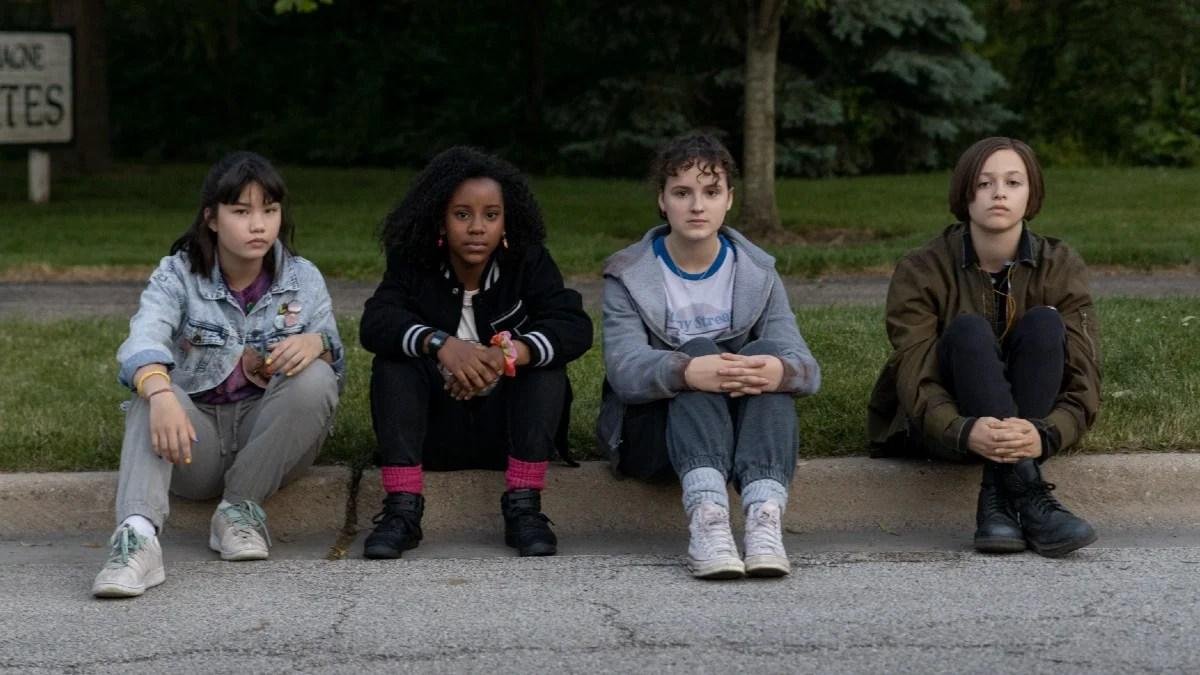
The four young leads of Paper Girls, the Prime Video science-fiction series cancelled after one season. Producer Legendary Television was subsequently reported to be seeking another home for the series.
Photo credit: Prime Video
Canada already knows how to make science fiction. Over the past 15 years, Canadian producers and broadcasters have put Orphan Black, Killjoys, Dark Matter and Continuum on television, alongside genre series such as Lost Girl and Bitten. Several travelled well beyond Canada, and some lasted four or five seasons while drawing Canadian specialty-channel audiences measured in the hundreds of thousands.
That history is a reason to keep developing Canadian science fiction. It may also point to another opportunity. The question is whether every Canadian production company trying to grow in the genre has to start at zero.
Prime Video has ended several science-fiction series after one or two seasons with their worlds established, their casts introduced and viewers still asking for more. Paper Girls, The Peripheral, Night Sky and Outer Range are very different shows, and none can be assumed to be available to a Canadian buyer. The useful industry question is whether taking on the right abandoned series could bring a Canadian producer an existing American and international audience, strengthen its relationships outside Canada and eventually give it more capacity to develop Canadian work of its own.
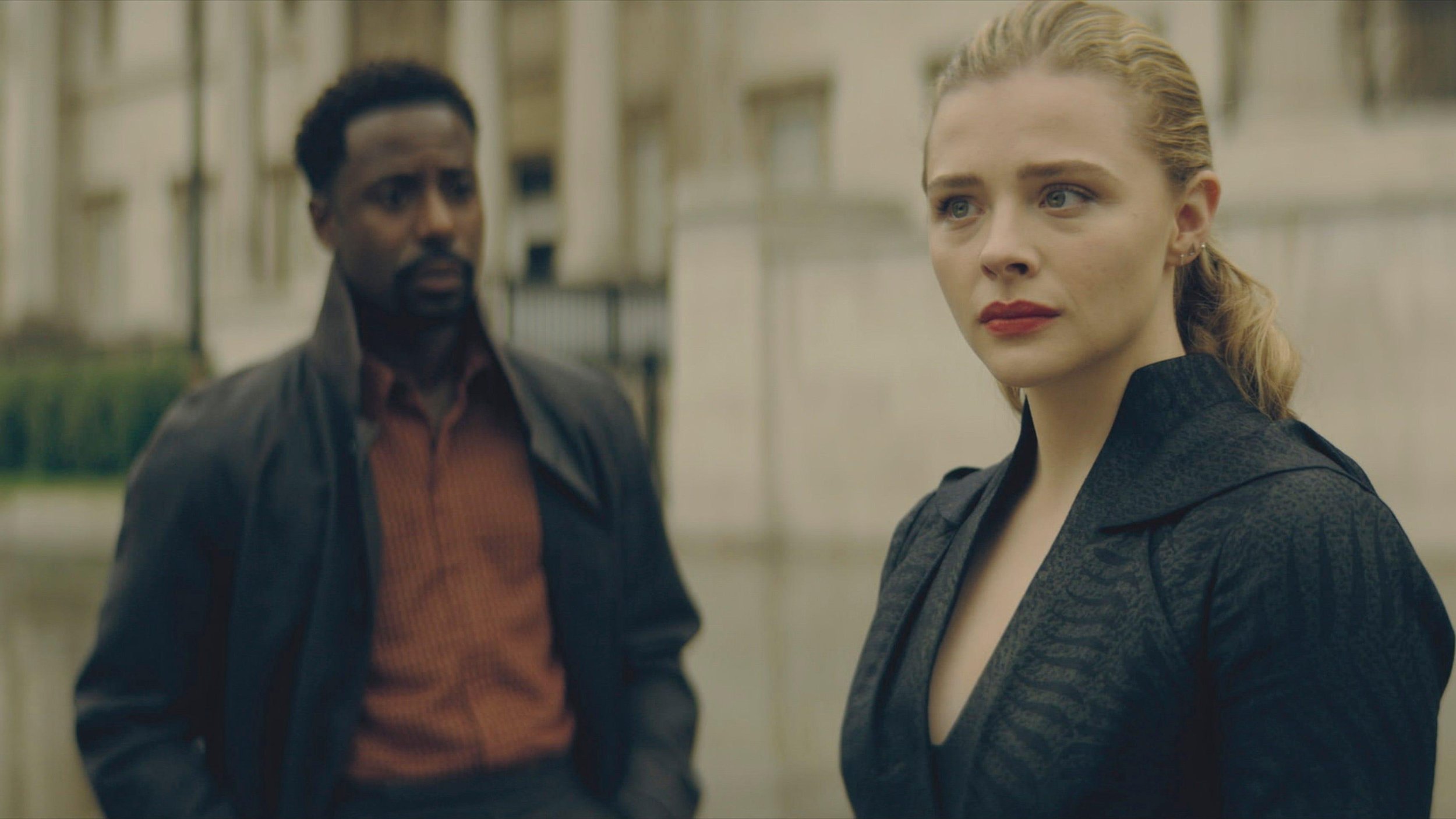
Chloë Grace Moretz as Flynne Fisher in The Peripheral, which Prime Video renewed for a second season before reversing the renewal in 2023.
Photo credit: Sophie Mutevelian / Prime Video
American sci-fi keeps leaving unfinished worlds behind
Paper Girls remains one of the more frustrating examples for me. The Prime Video adaptation of Brian K. Vaughan and Cliff Chiang’s comic followed four girls delivering newspapers in 1988 who are pulled into a conflict between groups of time travellers. The first season ended after eight episodes in 2022.
It was the kind of young-ensemble science fiction that invited comparisons with Stranger Things while developing its own story and tone. Paper Girls had its own mythology, a cast centred on girls rather than boys, and a story that used time travel to force its characters into encounters with their future lives. I thought it had the potential to become as compelling as Stranger Things if it had been allowed enough time to grow.
Critics and viewers were already responding well. Rotten Tomatoes currently lists the season at 87 per cent from critics and 89 per cent from its audience score. Prime Video cancelled it after one season, and TheWrap reported that producer Legendary Television planned to shop the series to other outlets.
The Peripheral had made it even further. Prime Video renewed the William Gibson adaptation for a second season in February 2023 before reversing that decision in August. TheWrap reported, citing a person with knowledge, that strike-related production delays led to the reversal. Night Sky, built around Sissy Spacek and J.K. Simmons as a couple who discover a portal beneath their property, ended after one season. Outer Range, with Josh Brolin at the centre of a ranching family confronting a mysterious void and the disruptions around it, made it through two seasons before Prime declined to continue it in 2024.
The circumstances are different enough that they should not be treated as evidence of one simple streaming problem. What they have in common is more practical: development and production work has already been done. Characters have been cast, fictional worlds have been introduced, viewers have had a chance to decide whether they care, and in several cases the story stopped while some of those viewers were still asking for it to continue.
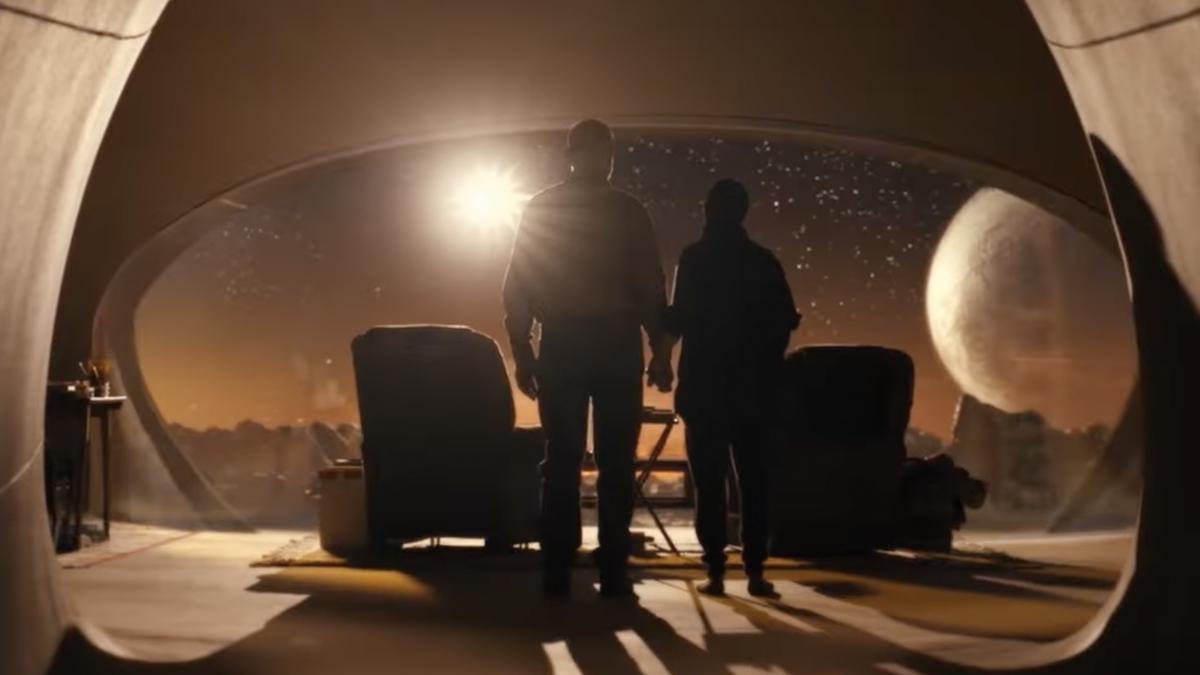
A first-look still from Night Sky, the Prime Video science-fiction series starring Sissy Spacek and J.K. Simmons.
Photo credit: Prime Video / Amazon Studios.
Canada already knows how to build genre television for a concentrated audience
Canadian science fiction offers a useful contrast because success here has often been built on a different scale. The audience figures for Orphan Black, Killjoys and Dark Matter show what that scale looked like on Space.
When Orphan Black premiered on Space in 2013, Bell Media reported 404,000 viewers for its first broadcast and an average audience of 328,000 by the end of the first season. Those numbers were significant for a Canadian specialty channel: the series became Space’s most-watched original at the time. It also had an international structure from the beginning, produced by Temple Street in association with Space and BBC America and distributed internationally by BBC Worldwide. Orphan Black ultimately ran five seasons, and Bell Media later reported that the series had been sold into more than 170 countries and territories.
Killjoys followed a similar cross-border path. Produced by Temple Street for Space and Syfy, its first season averaged nearly 450,000 viewers in its Canadian timeslot, according to Bell Media, and the series ran for five seasons. Dark Matter, produced by Prodigy Pictures and launched on Space in 2015, opened with roughly 273,000 Canadian viewers and later reached a season high above 500,000. It lasted three seasons.
Those figures put Canada’s earlier genre model in concrete terms: producers built science-fiction series around domestic specialty-channel audiences measured in the hundreds of thousands while also relying on international partnerships and distribution. A revived streaming series would have to be assessed on its own economics, with Canadian financing forming only part of a structure that could also involve international partners and buyers.
That experience could be relevant when a streaming series ends even though an audience remains attached to it. A Canadian producer considering a continuation would be evaluating the property under a different financing and distribution structure, rather than simply reproducing the original platform’s business model.
The audience may already be waiting
A cancelled series also offers something an original production cannot buy immediately: evidence that people already care. The campaigns around these four shows provide one limited way to see that continuing interest.
Fan petitions are an imperfect measure. Signing one does not tell a producer how many people would subscribe to a service, buy an episode or remain through another season. They are still useful as evidence that cancellation did not necessarily end audience interest.
A Change.org petition seeking a third season of Outer Range has more than 11,000 verified signatures, and petition organizers reported that cast members Josh Brolin and Lili Taylor signed it. A campaign to save The Peripheral has about 5,000 verified signatures. A Night Sky petition has surpassed 18,000 verified signatures. One of the larger Paper Girls campaigns has more than 4,500.
Petitions capture public requests for continuation; they cannot establish the full audience for a show or prove that a revival would be commercially viable. Across these four campaigns, thousands of people have publicly asked for the series to continue, giving a potential producer concrete evidence of existing demand and awareness that a new property would still have to build.
The business question extends beyond the petitions: how much broader awareness could travel with a revived series in the United States and elsewhere, and whether that recognition would reduce some of the risk of launching an unknown property. The answer would determine whether an existing title offers a meaningful commercial head start or only greater name recognition.
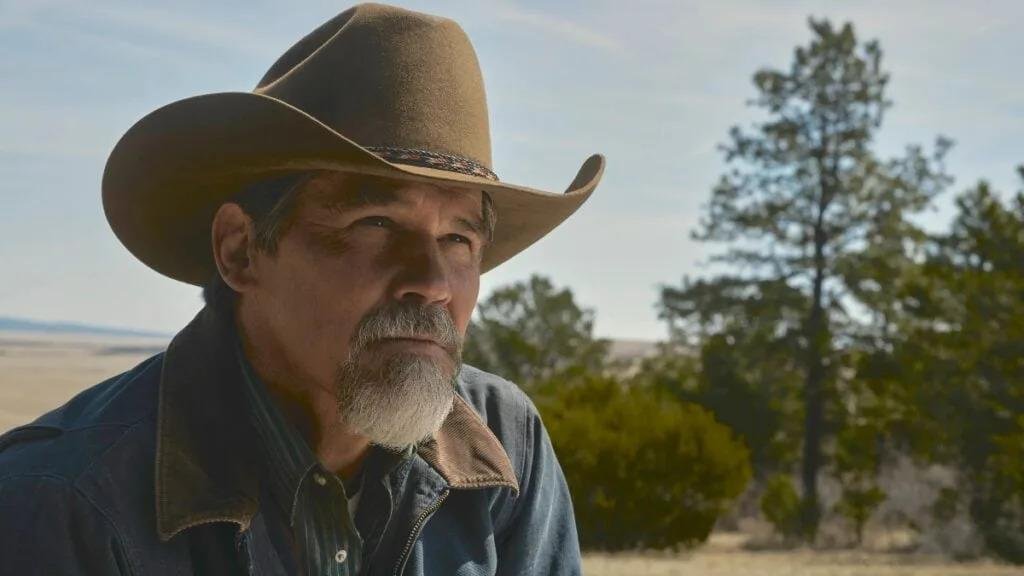
Josh Brolin as Royal Abbott in Season 2 of Outer Range. Prime Video ended the science-fiction western after two seasons.
Photo credit: Prime Video.
A rescue as a growth strategy
The growth argument changes the premise from a rescue exercise into a possible expansion strategy for Canadian producers. The potential value lies in the audience awareness and international relationships that could travel with the property.
A Canadian producer that successfully continued an established U.S. genre property could potentially gain access to viewers who might never have encountered one of its Canadian originals. It could build relationships with international distributors, platforms, rights holders and creative talent around a title that already has recognition. If the continuation worked, the value would extend beyond one show: the company itself would become better known outside Canada.
That could matter for Canadian originals later. A producer with a larger international profile, stronger distribution relationships and a demonstrated ability to deliver to an existing American audience may be in a different position when it takes its own Canadian-created science-fiction project to market.
There is no guarantee that the strategy would work, and the cost of licensing or partnering on recognizable intellectual property would vary from one series to another. A revival could serve a different purpose from a Canadian original: in the right circumstances, it could help a company build the international relationships and audience awareness that later support its own projects.
What would a Canadian rescue actually require?
The first hurdle is rights. A cancellation announcement does not mean a television property is suddenly available. The producer, studio, platform, underlying author or publisher, distributor and other parties may hold different contractual interests. Paper Girls provides a useful example because Legendary Television was reportedly seeking another home after Prime Video cancelled the series. That is a very different starting point from a show whose rights holder has no interest in continuing it.
A Canadian company would then need a financing and commissioning structure that made sense for the specific production. That might involve licensing or partnering with the existing rights holder, attaching a Canadian broadcaster or streamer, securing international distribution and producing the new season in Canada. Canadian federal and provincial production incentives could contribute where a project and company actually met the relevant eligibility rules, but tax credits would be one piece of a larger package.
A rescue could also require practical and creative changes. Depending on how much time had passed since cancellation, a new producer might have to address cast availability, sets, production locations and a budget designed for a different commissioning model. The strongest candidates would likely be shows where the rights can be negotiated, key creative participants remain interested, there is evidence of continuing audience demand and the production can be reassembled at a cost the new partners can sustain.
Canada has already been the production home for an important example of a cancelled science-fiction series finding another platform. The Expanse was shot in Toronto before Syfy cancelled it after three seasons, and Amazon picked it up for a fourth. Canada did not perform that rescue, and the production structure cannot be copied directly onto another series. It nevertheless demonstrates that cancellation does not always make an established genre production impossible to continue.
Canadian science fiction should still start with Canadian ideas
There is a risk in making this argument that Canadian producers end up being cast as caretakers for American intellectual property while Canadian stories fight for financing. That would be the wrong outcome.
Canada’s record in science fiction is interesting precisely because Canadian companies have already built work worth exporting. Orphan Black began as a Canadian production and reached audiences around the world, while Killjoys and Dark Matter also travelled through international broadcast and distribution relationships. The goal should remain creating more Canadian series and giving them enough time to find audiences.
The opportunity sits beside that work. The examples in this article show several developed U.S. genre properties that ended while fan campaigns for continuation remained active. If one of those properties has obtainable rights, a committed audience and a production model that can work here, there is a case for Canadian companies to investigate it rather than assuming every expansion into the U.S. market has to begin with an unknown title.
A successful rescue could give one abandoned show another season while bringing an existing American audience into a Canadian-led production. If that helped the producer build a larger international profile and stronger relationships outside Canada, the next Canadian-created project might be easier to take into the world. Canadian producers should keep starting new science-fiction stories here while also asking whether every opportunity has to begin with an audience of zero.