Canadian creature features: Why Below is interesting
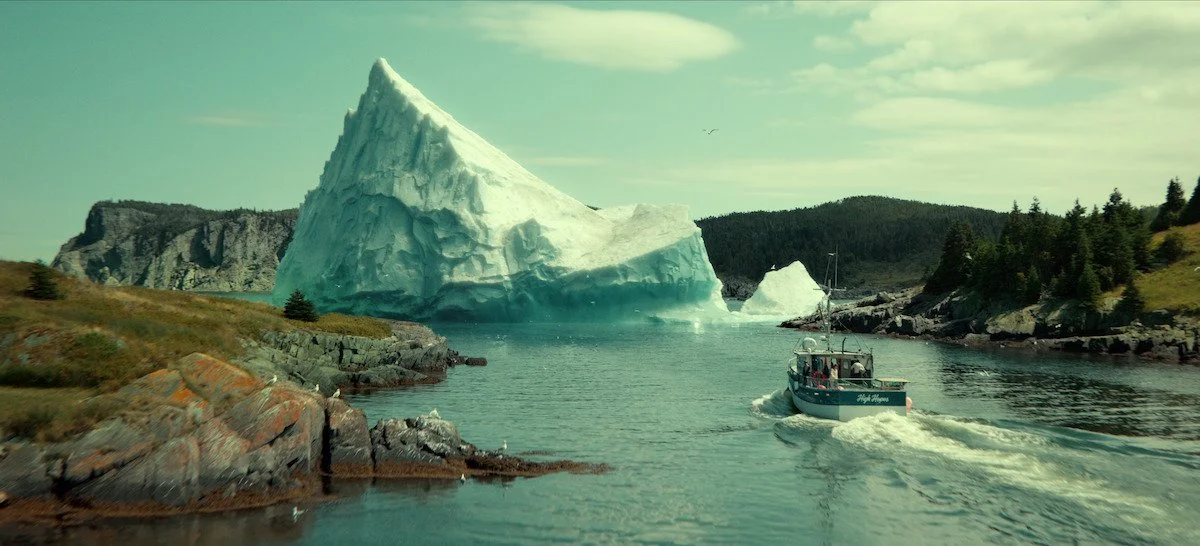
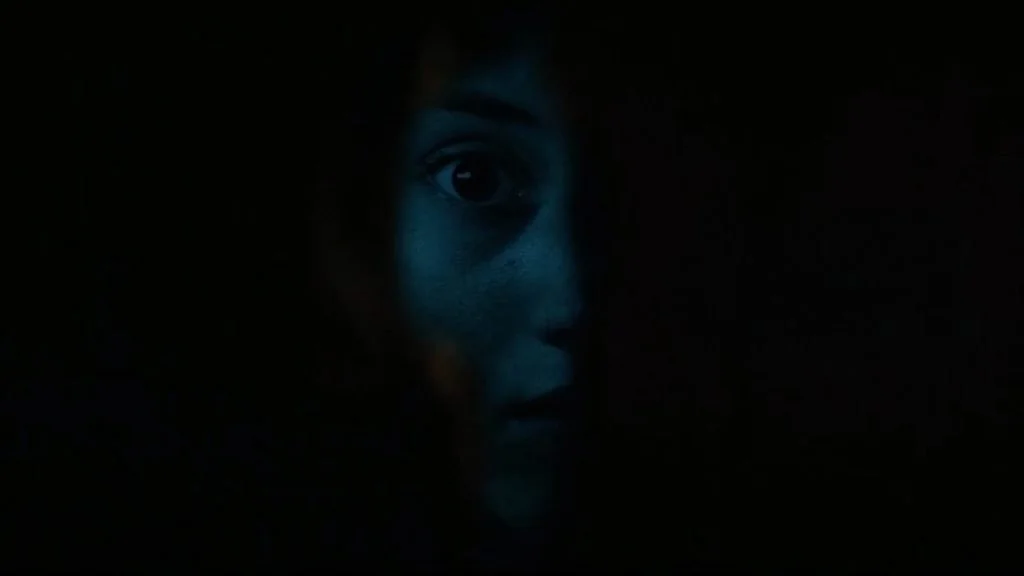
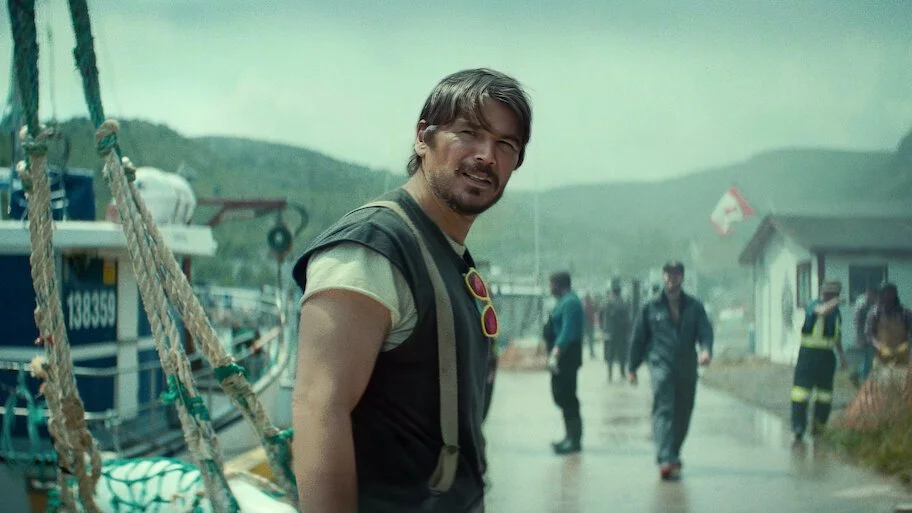
In Netflix’s Below, fisherman Calvin Penney lives in Snooks Arm, Newfoundland, where the local way of life is changing and an unidentified creature has begun terrorizing the community from the water. Creator Jesse McKeown has been coming to Newfoundland for years, and when he started developing the series, he drew on a landscape he describes as rugged, dangerous and isolated, alongside communities he had come to know for their warmth and humour.
Newfoundland’s coastline is central to the premise. Fishing is bound up with the province’s history, culture and identity, and generations of people have made their living on the North Atlantic. Calvin is a fisherman, which puts the threat in the same water where he works and where his community has traditionally made its living.
Someone standing on the surface of the ocean can see very little of what is underneath, even when it is only metres away. An animal can surface briefly before disappearing again, while distance, weather, darkness and unfamiliar marine life can complicate something as basic as identifying what was seen.
In August 2001, a strange carcass washed ashore at St. Bernard’s in Fortune Bay and became known as the Fortune Bay “Blobster.” Material from the carcass was provided to researchers at Memorial University, where forensic DNA testing produced an almost perfect match with a sperm whale.
Canadian filmmakers have been finding horror in familiar surroundings for decades. David Cronenberg’s The Fly remains an obvious reference point, with Jeff Goldblum’s Seth Brundle gradually transformed after an experiment goes wrong. Cronenberg shot the film in Toronto with a Canadian crew, although Toronto itself is never identified as the setting, and much of the horror develops through Brundle’s physical transformation.
Ginger Snaps found its creature closer to home. The 2000 Canadian horror film puts sisters Ginger and Brigitte Fitzgerald in suburban Ontario, where Ginger is attacked by a creature on the night of her first period and begins transforming. The werewolf story develops alongside puberty and the relationship between the sisters, bringing a familiar horror figure into an ordinary Canadian suburban setting.
Bruce McDonald’s Pontypool takes another route, confining much of its outbreak story to a small-town radio station. These films come from different periods and use very different kinds of horror, yet they provide some context for a Canadian genre history in which bodies and recognizable places have repeatedly supplied material for horror and science fiction.
Below moves onto the North Atlantic and into a community with a name that carries its own Newfoundland history. Netflix spells its setting “Snooks Arm,” while the real Snook’s Arm was a small Newfoundland community whose final 10 residents accepted resettlement in 2018.
McKeown has spoken about Newfoundland’s resettlement history in connection with the series. Government-sponsored programs moved residents from hundreds of communities during the twentieth century, sometimes with families taking their houses with them across the water. McKeown told Canadian Press that the image of a house floating on the ocean was important to the story, and Below opens with a house being towed across the sea.
Netflix describes Snooks Arm as a community facing a vanishing way of life. Calvin’s work and his community remain tied to the water while the series introduces a threat from that same environment, placing the creature inside the ordinary geography of the town rather than sending the characters somewhere unfamiliar to encounter it.
Natasha Henstridge adds another Canadian genre connection. She was born in Springdale, Newfoundland, lived in nearby South Brook and moved with her family to Fort McMurray when she was five. Her first major Hollywood role came in 1995 with the science-fiction horror film Species. More than 30 years later, Henstridge is back in Newfoundland as part of another creature story, with the North Atlantic providing the setting this time.
The real Newfoundland ocean has produced its own moments of uncertainty. In August 2001, the strange mass that washed ashore at St. Bernard’s was uncertain enough in origin that samples went to Memorial University for forensic DNA testing. The answer eventually came back: sperm whale.