Jay Odjick talks Indigenous representation as Amanda Strong’s Inkwo screens at Library and Archives Canada
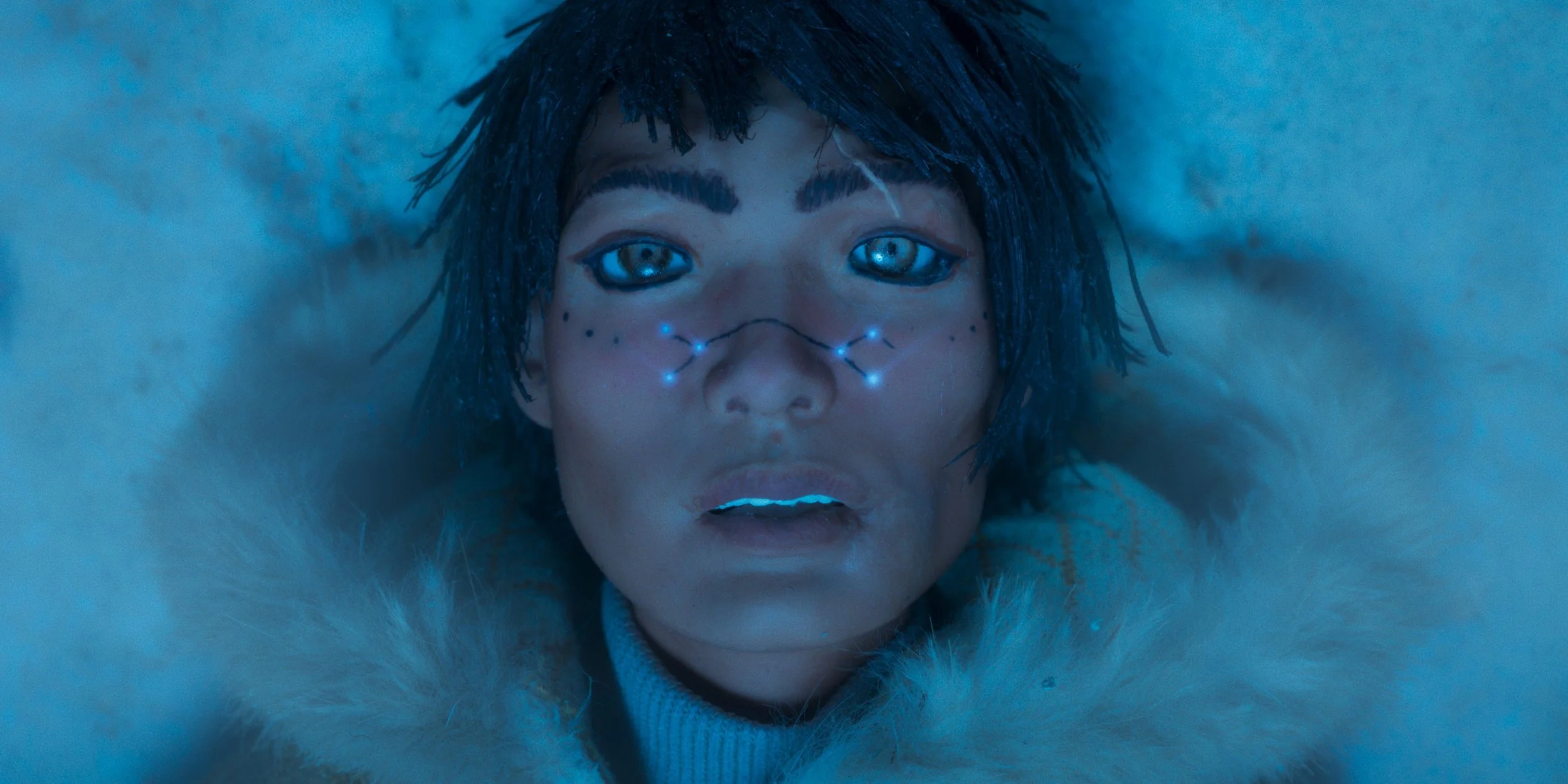
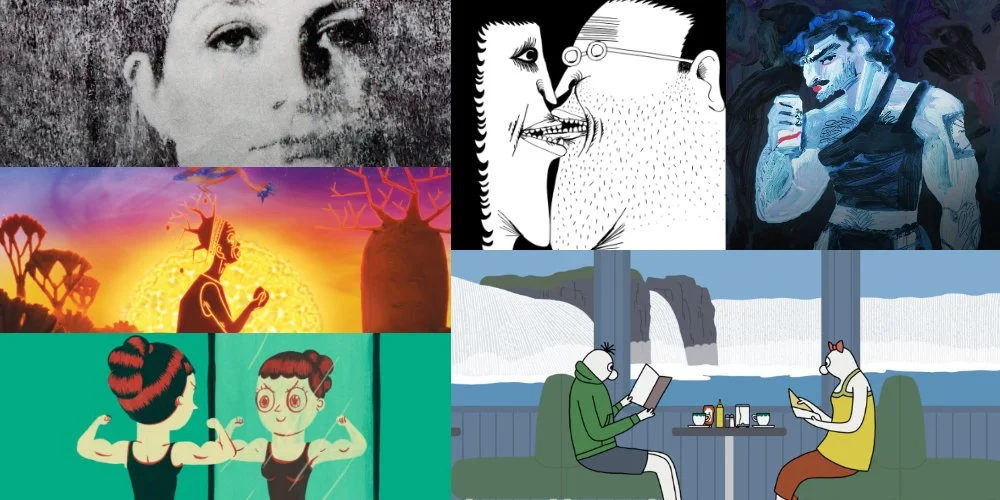
A still from Amanda Strong’s stop-motion short Inkwo for When the Starving Return, which Library and Archives Canada screened during its Sept. 26 Journées de la culture programming in Gatineau.
Photo credit: Image courtesy of the National Film Board of Canada and Spotted Fawn Productions.
Jay Odjick remembers looking for Indigenous people in the comics he read growing up and finding few characters who resembled anyone he knew. The artist and writer from the Kitigan Zibi Anishinabeg Algonquin community near Maniwaki, Que., eventually responded by creating one himself: Kagagi, an Indigenous superhero who moved from a graphic novel into an animated television series with Algonquin dialogue and voice work recorded in Kitigan Zibi.
On Sept. 26, Odjick brings that experience to Library and Archives Canada’s Preservation Centre in Gatineau, Que., as part of its Journées de la culture programming. His two scheduled conversations, one in French and one in English, will address his creative journey, inspirations and artistic process, along with Indigenous identity, culture and storytelling, representation and Indigenous creators telling their own stories.
The same day, LAC is screening Amanda Strong’s Inkwo for When the Starving Return, a stop-motion short adapted from “Wheetago War,” a story from Tłı̨chǫ Dene storyteller Richard Van Camp’s collection Night Moves. The screening takes place in a theatre inside the Preservation Centre, where LAC also operates film-preservation laboratories.
Odjick has worked across comics, animation and children’s publishing, including collaborations with Robert Munsch. With Kagagi, he created an Indigenous superhero after growing up with few Indigenous comic-book characters he recognized as resembling the Indigenous people he knew.
When the animated Kagagi series was produced, language became part of the project. The production created an English version, an entirely Algonquin version and a broadcast version combining English dialogue with about 20 per cent Algonquin. A 2015 Ad Astra Comix interview with Odjick reported that the Algonquin voiceovers were recorded in Kitigan Zibi, where teachers Joan Tenasco and Annette Smith read the translations and people from the community supplied most of the voices, with additional performers from neighbouring Barriere Lake.
In that interview, Odjick recalled seeing few Indigenous characters in the comics available to him, while those he did encounter did not look or act like Indigenous people he knew. That experience, he said, later contributed to his desire to create an Indigenous superhero.
His Sept. 26 appearances put those experiences at the centre of conversations about representation and who gets to tell Indigenous stories. LAC’s program also points to Odjick’s children’s publishing work, which includes illustrating several books by Munsch.
Inkwo for When the Starving Return approaches Indigenous storytelling through a collaboration involving creators from distinct Indigenous backgrounds. Strong, a Michif/Red River Métis filmmaker, directed the 18-minute stop-motion short through her production company, Spotted Fawn Productions, in co-production with the National Film Board of Canada. Strong, Van Camp and Bracken Hanuse Corlett are credited for the screenplay.
The film follows Dove, a genderfluid warrior who discovers the gifts and burdens of Inkwo, an ancestral medicine, as creatures threaten the remaining humans and animals. Paulina Alexis leads a voice cast that also includes Tantoo Cardinal and Art Napoleon.
The film took seven years to make. Strong has said that honouring the complexities and nuances of Van Camp’s story required time, and she has spoken about the amount of work concealed by the description of Inkwo as a short film. Spotted Fawn describes the adaptation as a collective vision developed through stop-motion animation.
The NFB’s involvement extends through the production itself. Inkwo is a formal Spotted Fawn Productions/NFB co-production, with producers and executive producers from both organizations. For Journées de la culture, LAC is screening it alongside Chris Lavis and Maciek Szczerbowski’s The Girl Who Cried Pearls, with both films provided courtesy of the NFB.
The Preservation Centre is also part of LAC’s ongoing work concerning Indigenous documentary heritage. Its 2019 Indigenous Heritage Action Plan established 28 commitments, including greater involvement by Indigenous communities in archival processes, examination of Indigenous-led approaches to access and support for communities preserving documentary heritage without requiring them to transfer ownership to LAC.
The plan also committed LAC to facilitating events developed with Indigenous perspectives and addressing Indigenous histories and the role of libraries and archives in reconciliation. In 2026, LAC published Strategic Pathways for Indigenous Heritages, a long-term framework intended to guide its acquisition, preservation and access work while respecting Indigenous Rights and Indigenous Data Sovereignty. The institution says the framework builds on the 2019 action plan.
A new version of the Indigenous Heritage Action Plan is also being drafted for publication in 2026. According to LAC, it will place greater emphasis on Indigenous Data Sovereignty and include clearer, measurable actions and outcomes.
Those documents establish LAC’s commitments and stated direction, rather than evidence that each commitment has been fulfilled. Nor does the Sept. 26 program establish that the works being presented are part of LAC’s permanent holdings: LAC describes Inkwo and The Girl Who Cried Pearls as films from the NFB collection and says they are being provided courtesy of the NFB.
For Odjick, the conversation returns to work he began after recognizing who was missing from the comics he read. Kagagi eventually gave him an Indigenous superhero, Algonquin dialogue on television and a production that brought voices from Kitigan Zibi into the series. On Sept. 26, he brings that history into the Preservation Centre himself, discussing the creative process and Indigenous creators telling their own stories.